Parameter-preserving Real-time BIM Rendering
via Direct GPU Ray Tracing

Donggyu Lee1*, Jaehyuk Lim1*, Junghyun Han1†, Seung-wook Kim2†
*Equal contribution    Corresponding authors
1Korea University    2Hankuk University of Foreign Studies
CASAXR 2026 · Computer Animation and Virtual Worlds (CAVW)
◀▶
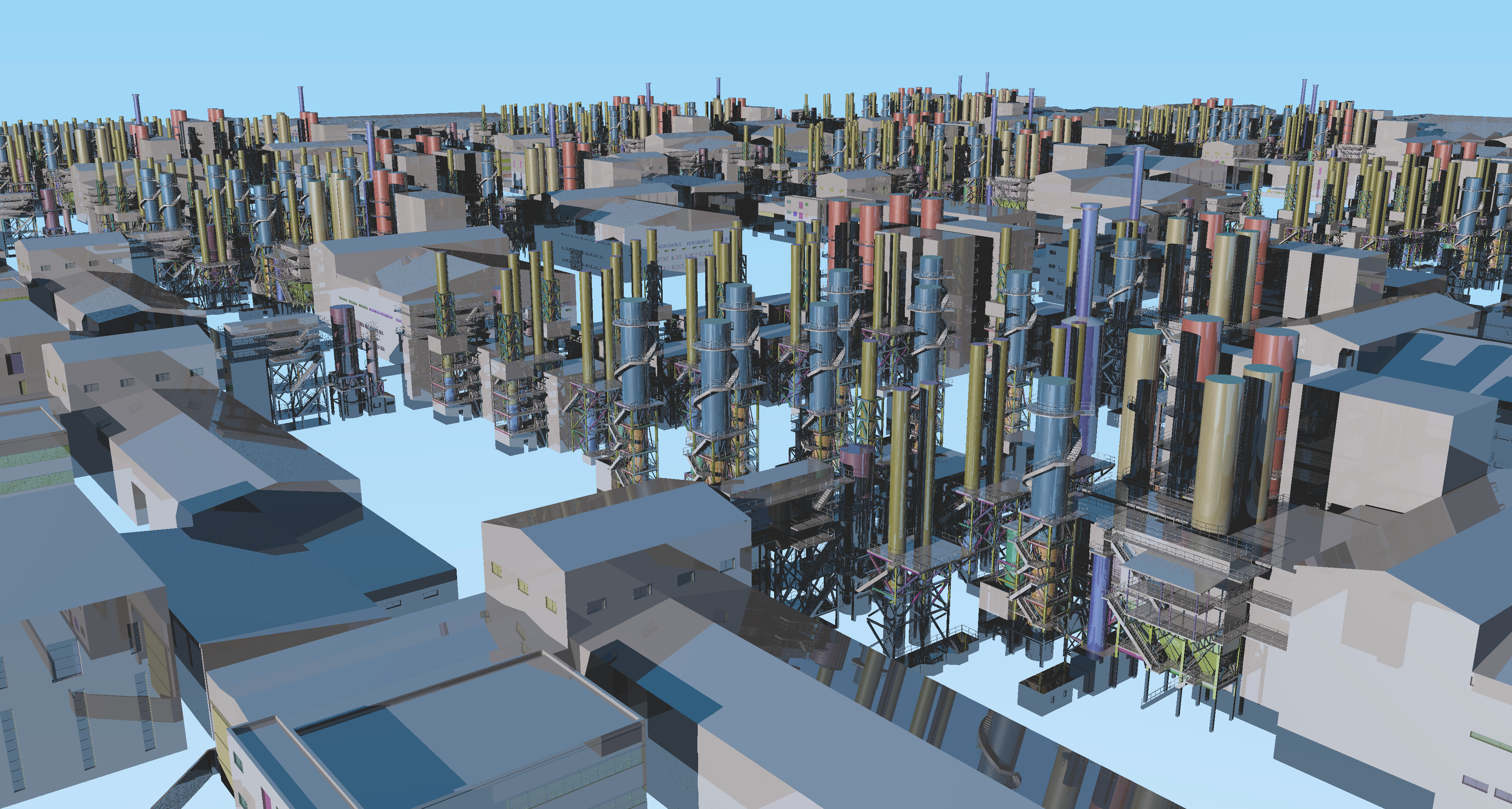
Revit Ours
◀▶
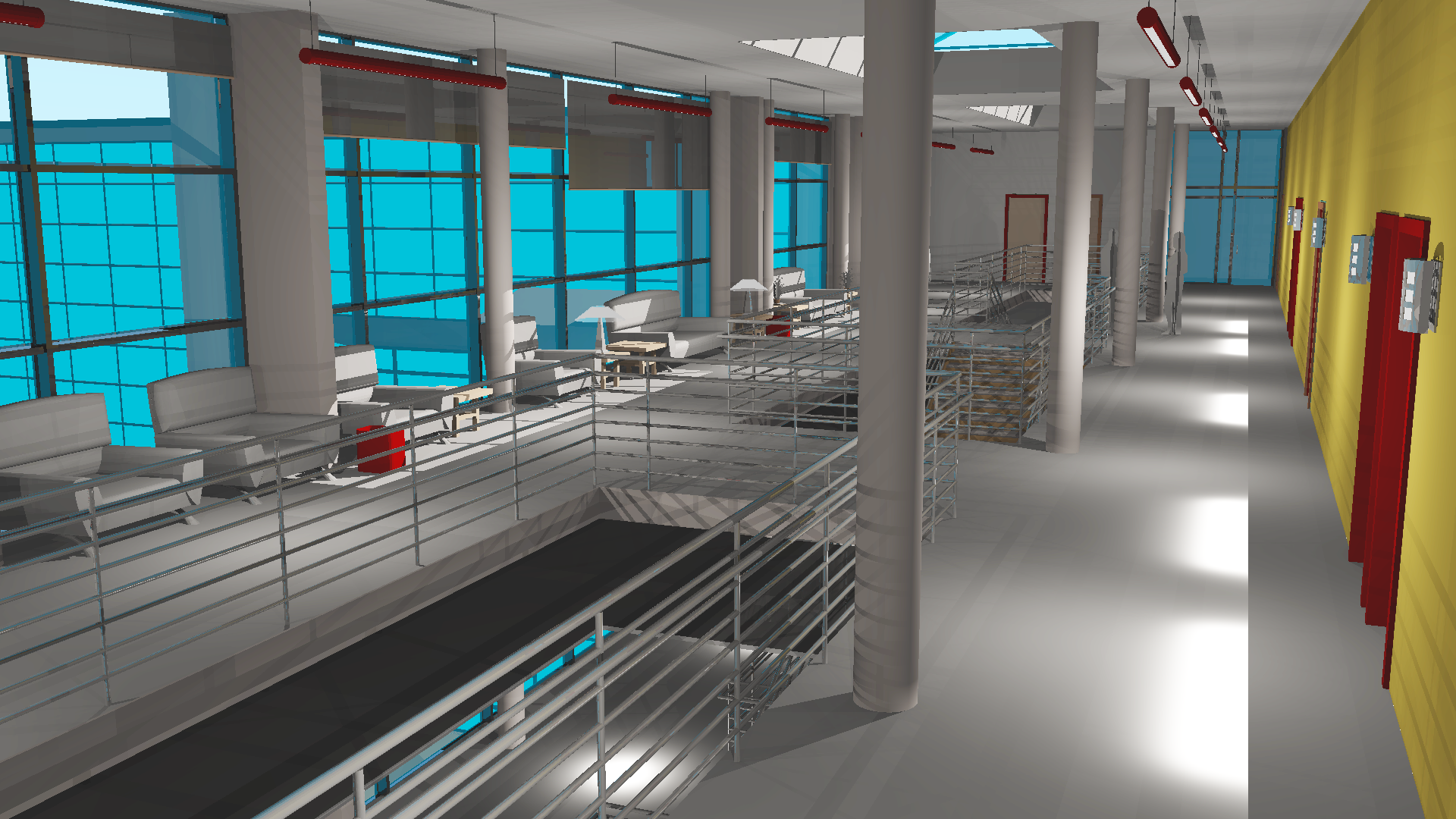
Revit Ours
◀▶
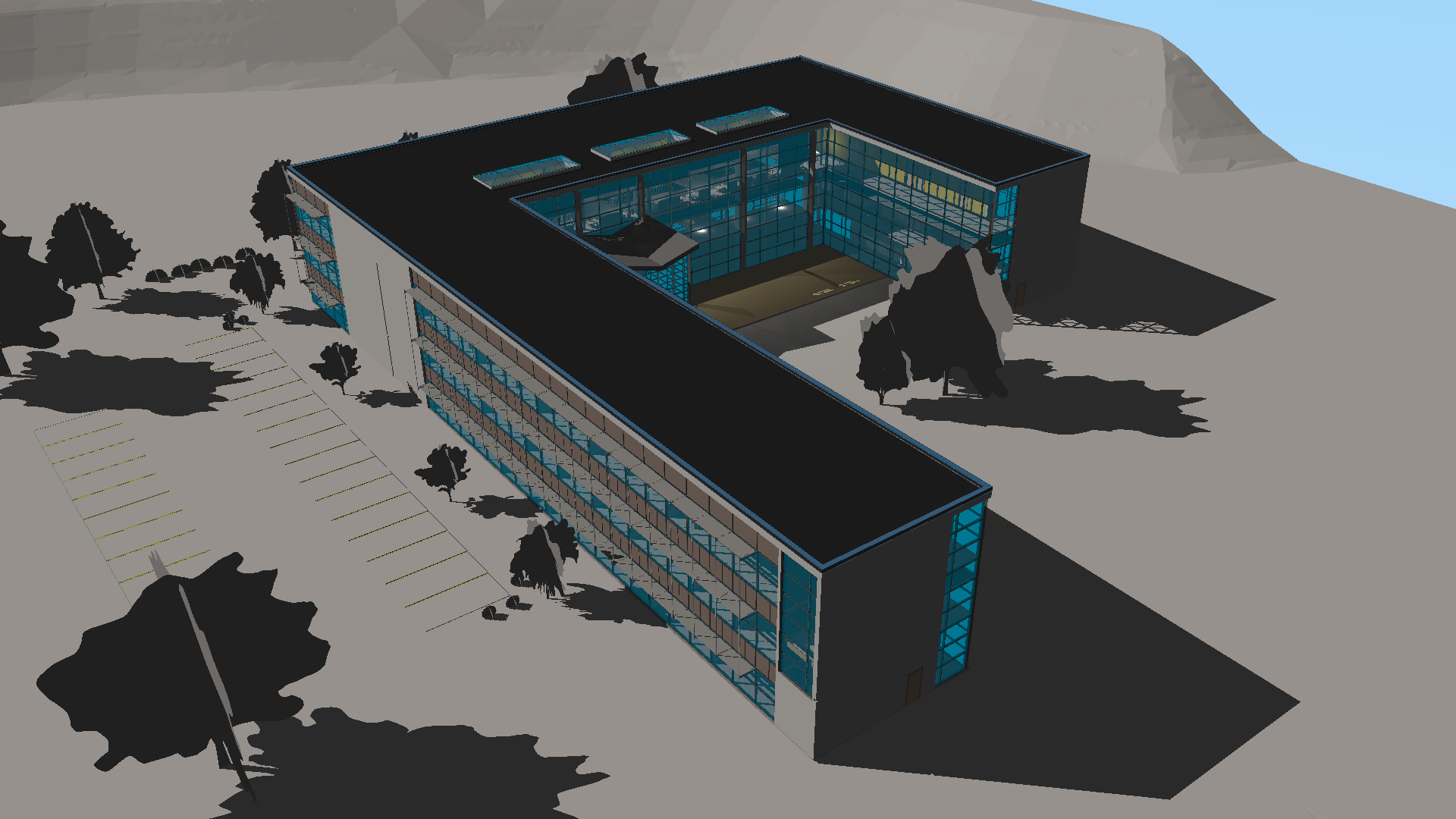
Revit Ours
◀▶
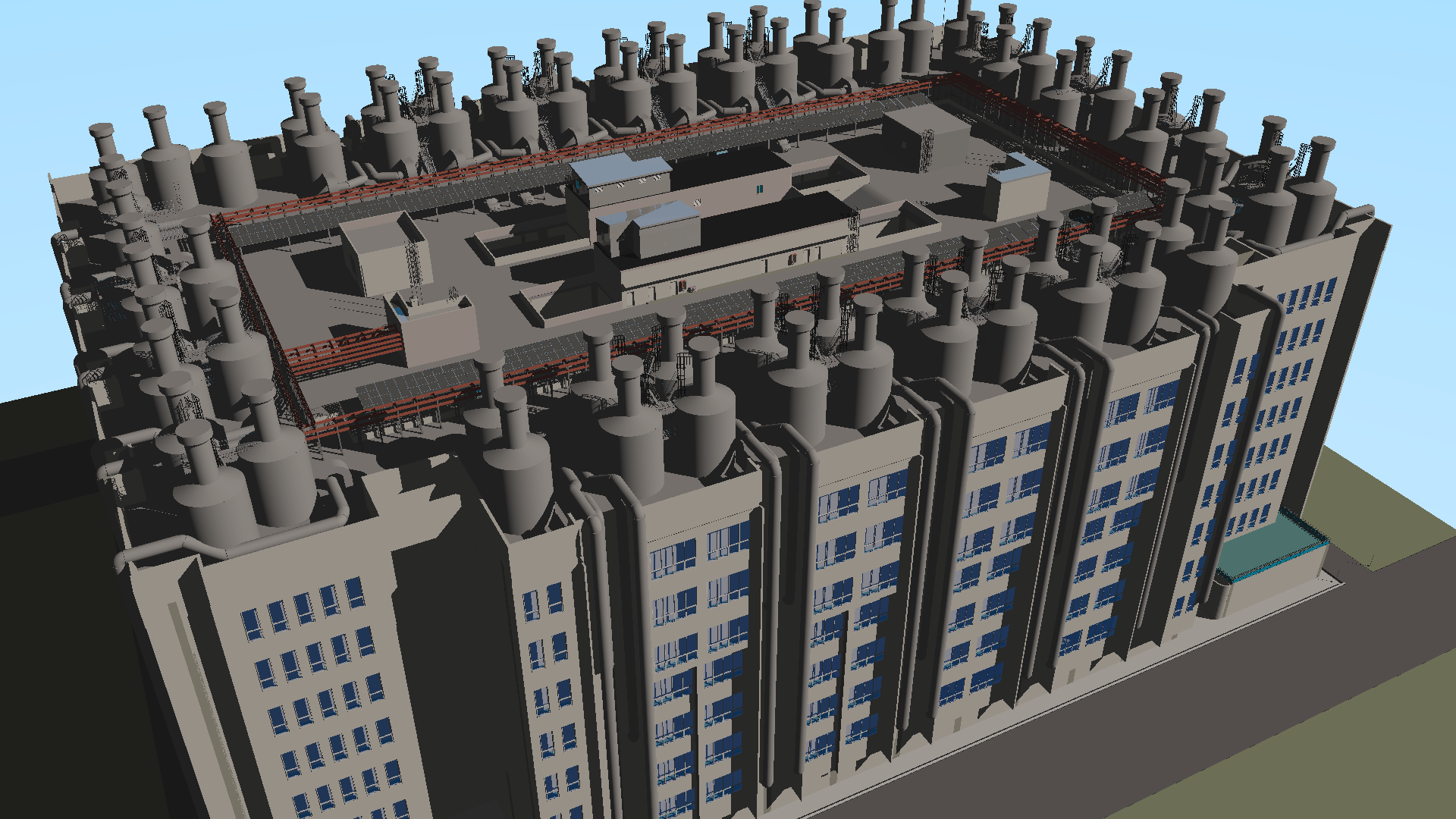
Revit Ours

Abstract

Current BIM visualization systems tessellate parametric geometry into triangle meshes before rendering, which increases memory usage, introduces faceting on curved surfaces, and adds significant export-time overhead.

We present an end-to-end system that preserves parametric shape definitions from BIM models through to GPU ray tracing, bypassing mesh conversion for supported parametric shapes. Our exporter extracts parametric shapes from a BIM authoring tool and encodes them into a compact binary format with two-tier caching to avoid redundant extraction. Our renderer maps preserved BIM primitives to an instanced GPU scene layout and performs direct ray-primitive intersections, with mixed-precision parameter encoding and ray advancement improving memory efficiency and numerical robustness.

Evaluation on architectural projects shows that our system achieves a lower GPU memory footprint, produces mathematically exact curved surfaces free of tessellation artifacts, and exports models faster than standard workflows.

Overall Pipeline

Method overview
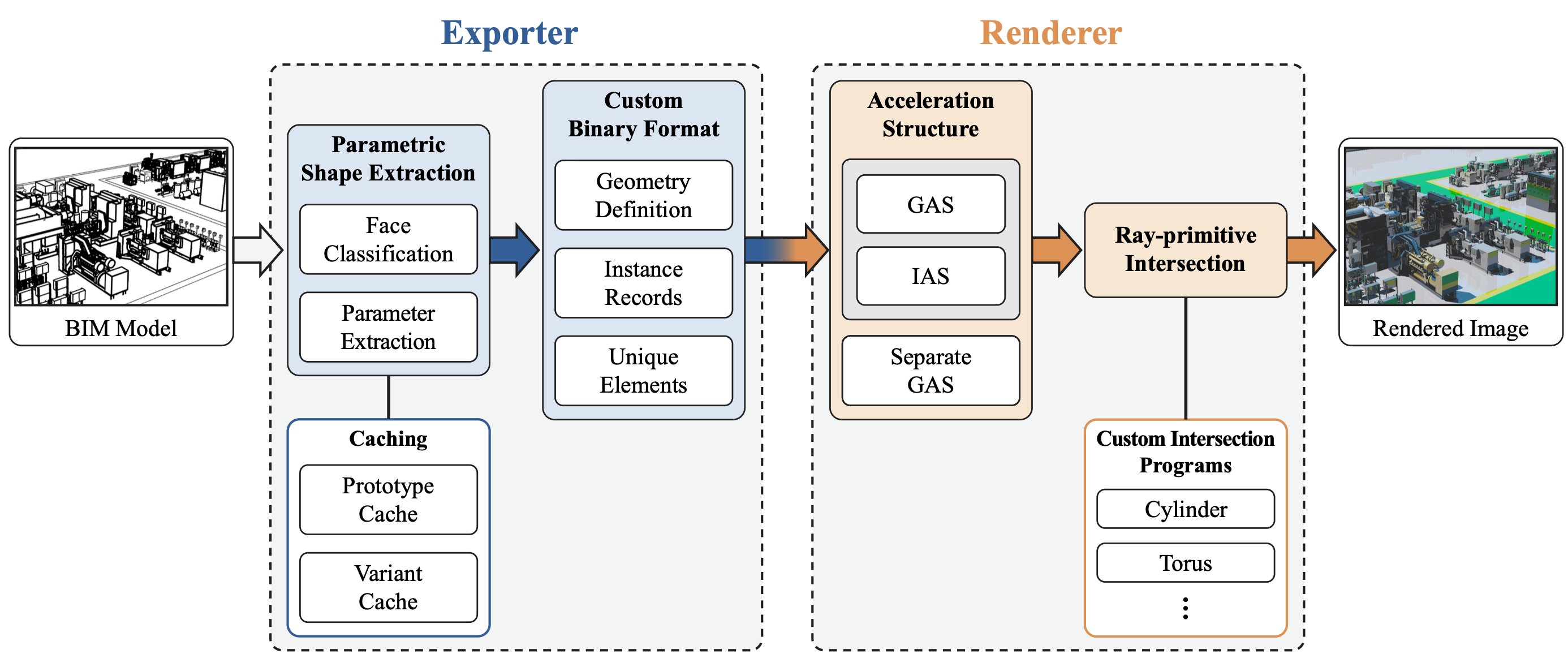
Parametric shapes are preserved from BIM extraction to GPU rendering without mesh conversion. The exporter classifies each BIM face by surface type, extracts mathematical parameters, applies two-tier caching, and writes a binary file. The renderer constructs OptiX acceleration structures and uses per-shape-type custom intersection programs for direct ray-primitive intersection.

Ray Advancement

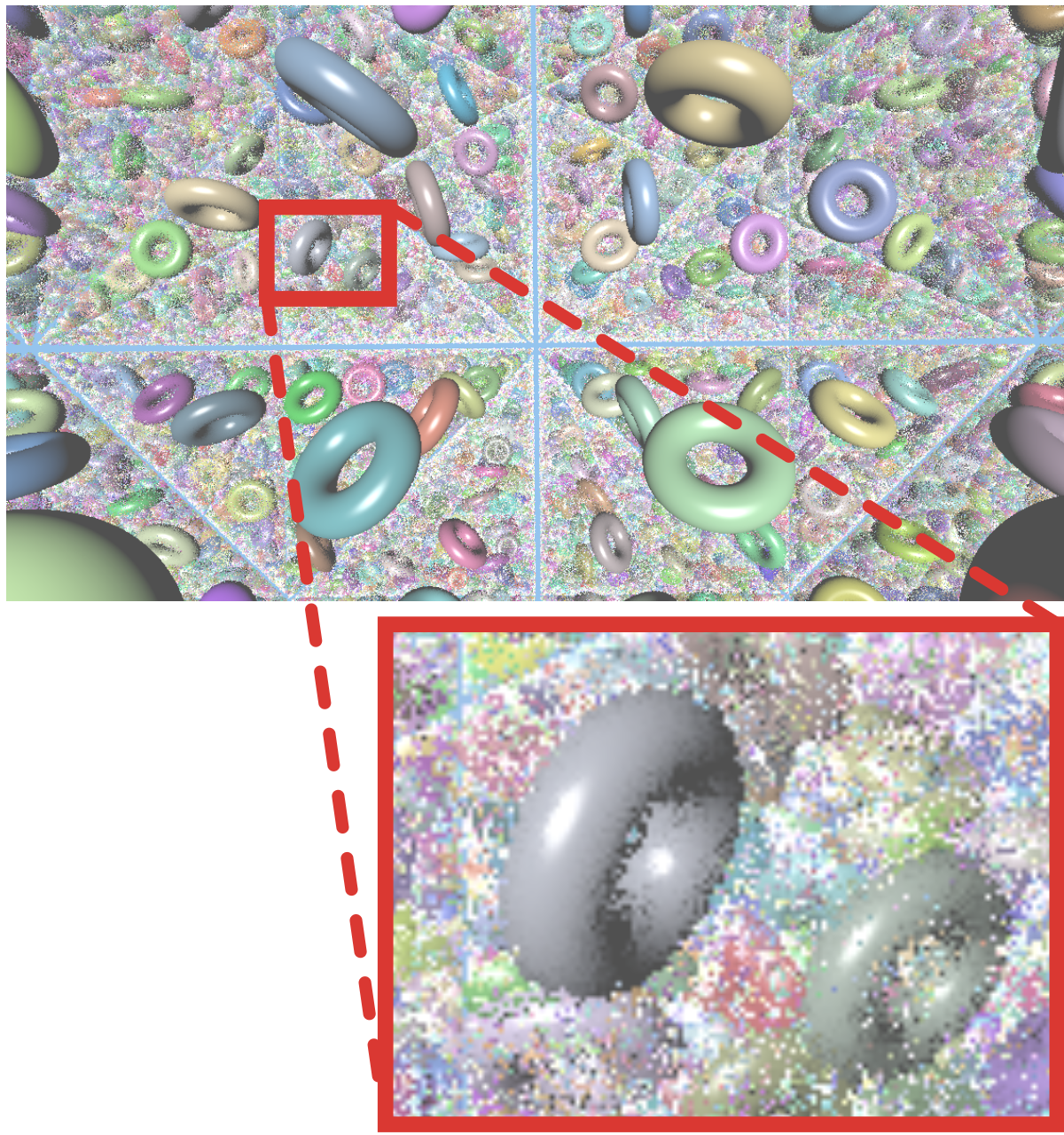
Without ray adv
a) without ray adv.
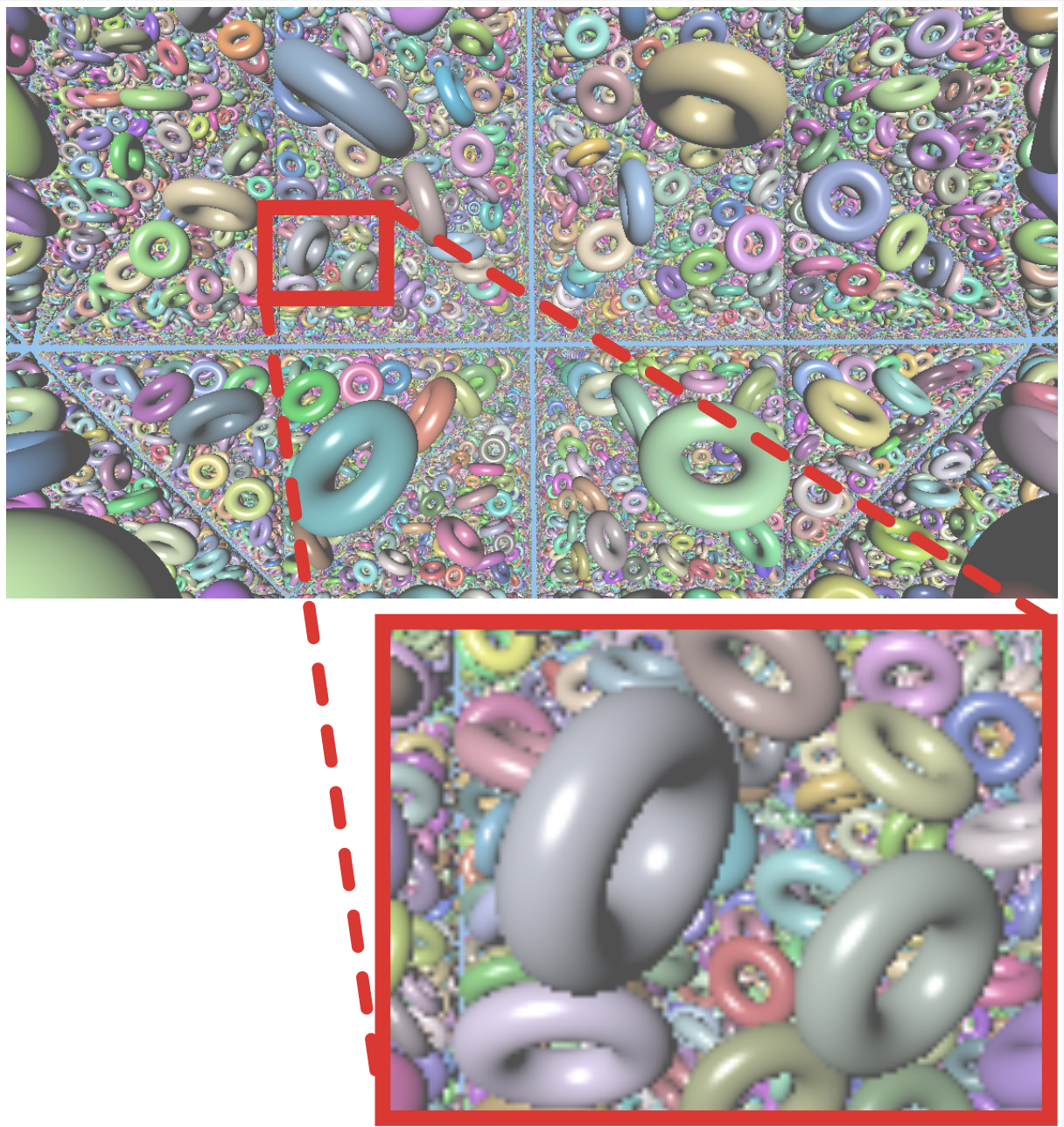
With ray adv
b) with ray adv.
Without ray advancement, numerical instability in the quartic solver causes missed surface pixels. Advancing the ray to the AABB entry point improves numerical conditioning and eliminates these artifacts. It also improves performance: the average frame time decreases from 2.71 ms without advancement to 1.63 ms with advancement.

Qualitative Visualization

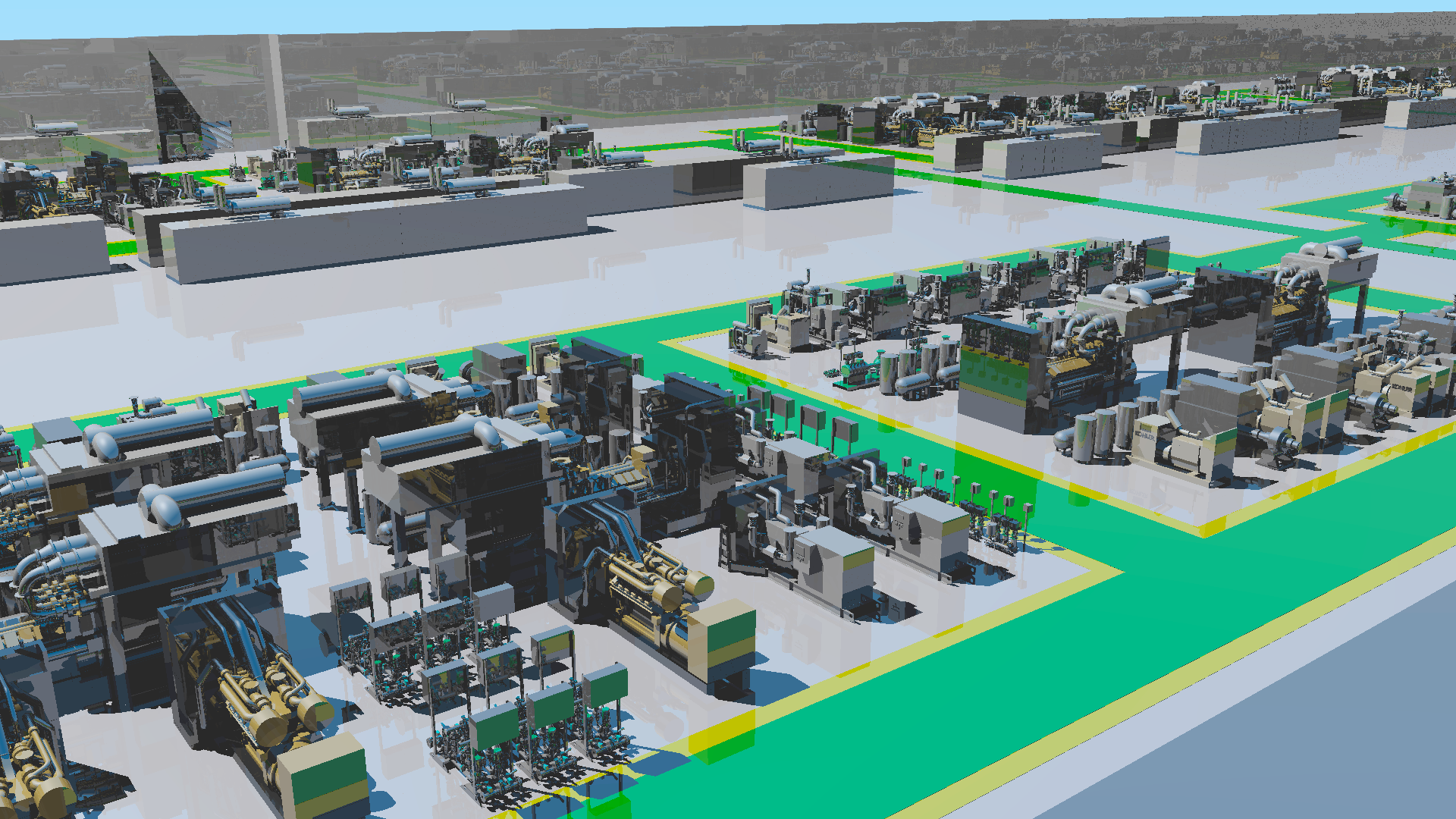
Qualitative Result
Thumbnail 1
Thumbnail 2
Thumbnail 3
Thumbnail 4
Thumbnail 5

BibTeX

@article{lee2026parameter,
  author    = {Lee, Donggyu and Lim, Jaehyuk and Han, Junghyun and Kim, Seung-wook},
  title     = {Parameter-preserving Real-time BIM Rendering via Direct GPU Ray Tracing},
  journal   = {Computer Animation and Virtual Worlds},
  volume    = {37},
  number    = {4},
  year      = {2026},
  doi       = {10.1002/cav.70159},
}